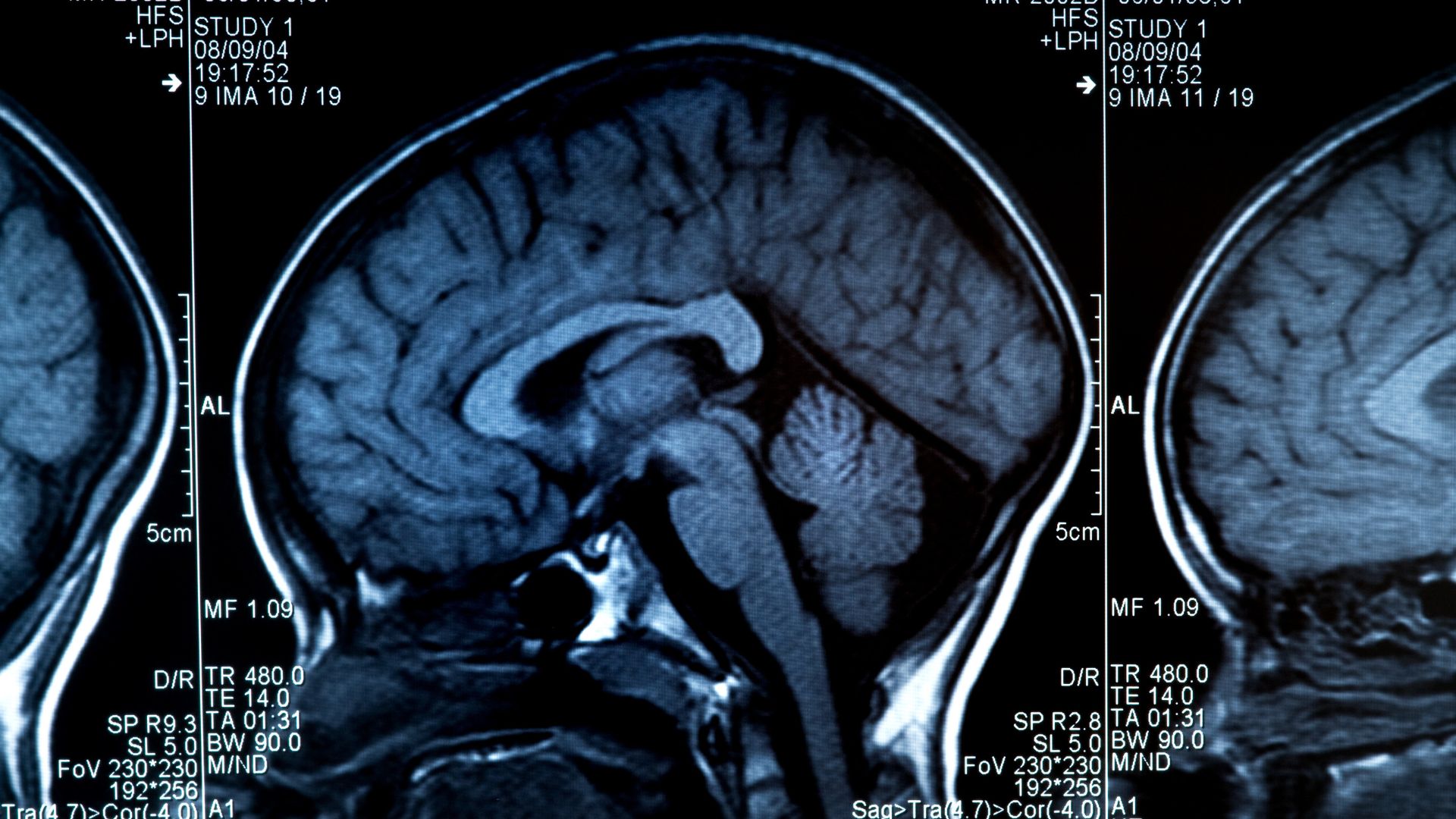
A brain tumour diagnosis can create fear, confusion and many unanswered questions. Information shared online or through word of mouth is not always accurate, and common misconceptions may cause unnecessary anxiety or delay medical advice. Understanding important brain tumour myths and facts can help patients and families make informed decisions and approach treatment with greater clarity.
Myth: Every brain tumour is cancerous. Fact: Brain tumours may be cancerous or non-cancerous. Non-cancerous tumours usually grow more slowly and are less likely to spread, but they may still cause serious problems by pressing on important areas of the brain. The effect of a tumour depends on its type, size, location and rate of growth, not only on whether it is benign or malignant.
Myth: A headache always means a brain tumour. Fact: Headaches are extremely common and are usually caused by conditions unrelated to a brain tumour. Even among people with a brain tumour, a headache is rarely the only symptom. Medical assessment becomes more important when a new or worsening headache appears with seizures, repeated vomiting, vision changes, weakness, balance problems, confusion or changes in speech and behaviour.
Myth: Brain tumours always produce obvious symptoms. Fact: Some tumours may grow without causing noticeable signs, while others can produce symptoms even when they are small. Different parts of the brain control different functions. Symptoms therefore depend on where the tumour develops, how quickly it grows and whether it increases pressure inside the skull.
Myth: Using a mobile phone definitely causes brain tumours. Fact: Research has not established that everyday mobile-phone use directly causes brain tumours. Scientists continue to study possible long-term effects, but using a mobile phone does not mean a person will develop a tumour. Patients should avoid panic based on unverified social-media claims and seek information from qualified medical sources.
Myth: Brain tumour surgery causes cancer to spread. Fact: Surgery or biopsy does not make a tumour spread because it is exposed to air. These procedures help doctors identify the exact tumour type and, when possible, remove as much abnormal tissue as safely achievable. Neurosurgeons carefully plan treatment to protect areas responsible for movement, speech, memory, vision and other essential functions.
Myth: Surgery is the only treatment for a brain tumour. Fact: Treatment is personalised. Depending on the tumour, doctors may recommend observation, surgery, radiotherapy, chemotherapy, targeted medicines or a combination of approaches. Age, overall health, symptoms, tumour type and location influence the treatment plan. Some slow-growing tumours may require regular scans, while others need prompt treatment.
Myth: A brain tumour diagnosis means recovery is impossible. Fact: Outcomes vary widely and depend on the tumour’s type, grade, size, location and response to treatment. Many brain tumours can be treated, managed or monitored with specialised care. Advances in imaging, microsurgery, radiation techniques and medical treatments have expanded the options available to patients.
Persistent neurological symptoms should never be self-diagnosed or ignored. Timely consultation with a neurologist or neurosurgeon can help identify the cause, establish an accurate diagnosis and determine the most appropriate treatment plan.