
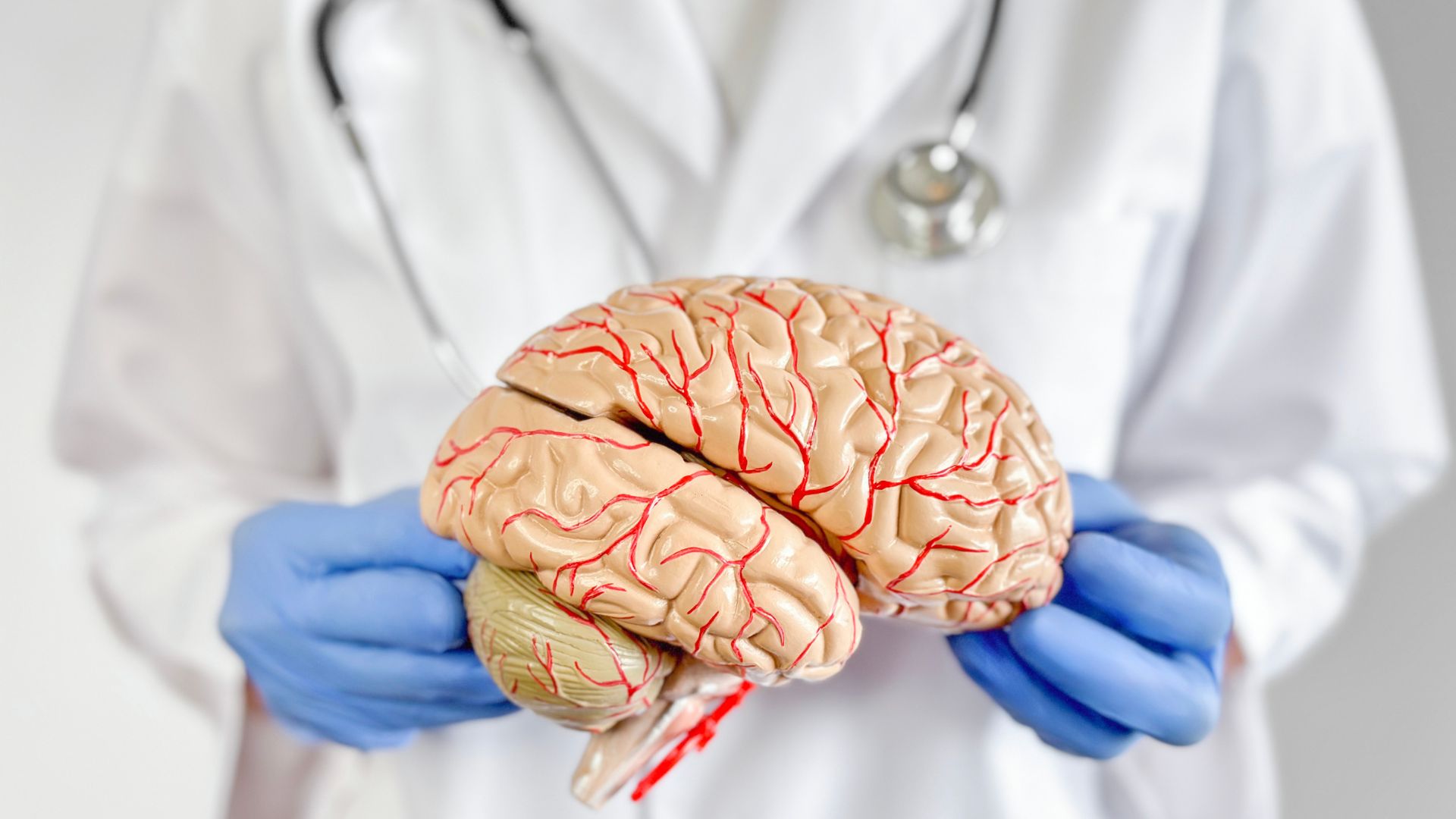
A brain surgeon, medically known as a neurosurgeon, is a specialist who diagnoses and treats conditions affecting the brain, spine, spinal cord and nerves. Although the term “brain surgeon” suggests that the doctor only performs brain operations, neurosurgeons manage a much wider range of neurological conditions. They provide both surgical and non-surgical treatment depending on the patient’s diagnosis, symptoms and overall health.
A brain surgeon begins by understanding the patient’s symptoms and medical history. Symptoms such as frequent headaches, seizures, weakness, numbness, balance problems, back pain, changes in vision or difficulty speaking may indicate an issue involving the nervous system. During the consultation, the neurosurgeon may check the patient’s muscle strength, reflexes, coordination, sensation, memory and movement to understand which area may be affected.
Diagnostic tests play an important role in neurosurgical care. A neurosurgeon may review MRI scans, CT scans, X-rays, angiography reports, nerve tests or biopsy findings. These investigations help identify structural problems such as tumours, damaged nerves, compressed spinal cords, abnormal blood vessels or bleeding inside the brain. After reviewing the test results, the brain surgeon explains the condition and recommends a suitable treatment plan.
Not everyone who visits a brain surgeon requires surgery. In many cases, treatment may begin with medicines, physiotherapy, rehabilitation, injections or regular monitoring. Surgery is usually considered when symptoms are severe, the condition is progressing, other treatments have not provided relief or there is a risk of permanent neurological damage. The aim is always to choose the safest and most effective treatment for the patient.
A brain surgeon may treat conditions such as brain tumours, brain aneurysms, head injuries, hydrocephalus, epilepsy, bleeding in the brain and abnormalities of the brain’s blood vessels. Neurosurgeons also commonly treat spinal conditions, including slipped discs, spinal cord compression, spinal tumours, spine injuries and narrowing of the spinal canal. Certain nerve conditions, such as trigeminal neuralgia, hemifacial spasm and peripheral nerve injuries, may also require neurosurgical care.
When surgery is necessary, a neurosurgeon may perform open, minimally invasive, endoscopic or endovascular procedures. The purpose of surgery may be to remove a tumour, stop bleeding, repair an aneurysm, reduce pressure on the brain, improve the flow of fluid around the brain or relieve pressure on the spinal cord and nerves. The type of procedure depends on the location, severity and nature of the condition.
The role of a brain surgeon continues after the operation. The neurosurgeon monitors recovery, checks for complications and assesses improvements in movement, speech, pain or other neurological functions. Follow-up scans and rehabilitation may also be recommended. Physiotherapists, neurologists, speech therapists and rehabilitation specialists may work with the neurosurgeon to support the patient’s recovery.
A neurologist and a neurosurgeon both treat nervous system disorders, but their roles are different. A neurologist generally manages conditions with medicines and non-surgical treatments, while a neurosurgeon is trained to perform surgery when required. The two specialists often work together while treating complex neurological conditions.
Consulting a brain surgeon does not automatically mean that an operation is needed. It means that the condition requires specialised evaluation. Early diagnosis and timely treatment can help prevent complications and improve the chances of recovery.